

Making Coffee at Home Saves Money Without Sacrificing Quality
Table of Contents
- Why Home Coffee Is the Discount Option
- The Only Real Catch: You’re the Barista Now
- Choose Your Lane: Three Easy Ways to Start
- What Actually Improves Flavor (and Value) at Home
- Conclusion
When you buy coffee outside the house every day, it adds up faster than most people expect. A drink here, a stop there, and suddenly it’s a noticeable line item in the budget. It’s no surprise that a lot of people start asking the same questions. Will making coffee at home actually be worth it? Can you get the same quality without putting in a ton of extra effort?
The answer is yes. For most people, it’s worth it on both counts. Making coffee at home is the more affordable option, and in many cases, the coffee itself is even better. The tradeoff isn’t quality, it’s convenience. You’re swapping a café visit for a few minutes of your own time. In return, you get more control over freshness, flavor, and what your daily coffee ritual looks like.
In this article, we’ll break down why home coffee wins on value without making things complicated. We’ll look at easy ways to get started, from basic drip machines to inexpensive manual brewers, and talk honestly about when an espresso machine makes sense and when it doesn’t. We’ll also cover the few things that matter more than fancy equipment. The goal is simple. Good coffee at home that fits into real life.
Why Home Coffee Is the Discount Option

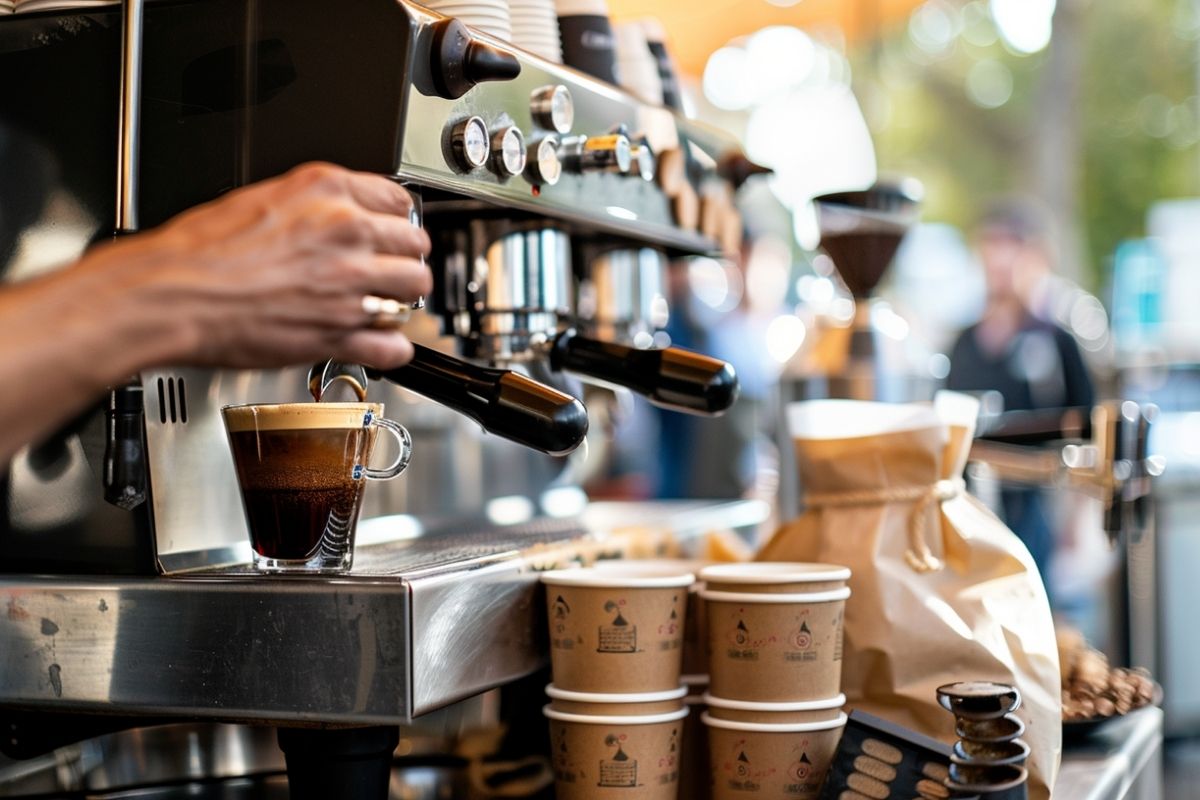
When you buy coffee at a café, you’re paying for convenience. Someone else makes the drink, cleans up, and hands it to you ready to go. That speed and ease has a price attached to it, and for many people, that tradeoff is totally worth it.
At home, the balance shifts. You give up some convenience, but you also pay far less per cup. Instead of buying one drink at a time, you’re spreading the cost of a bag of coffee across many cups. A standard 12-ounce bag can make a few dozen brewed cups using a typical ratio and mug size, and larger bags stretch that even further. Looked at this way, a handful of café drinks can easily equal what you’d get out of weeks of coffee at home.
The important thing to note is that quality isn’t the deciding factor here. Good cafés and good home setups are both capable of making excellent coffee. The real comparison comes down to convenience versus price. Cafés are fast and hands-off, but each drink costs more. Home coffee takes a few minutes of your time, but the cost per cup drops quickly once you’re brewing regularly.
That’s why home coffee works especially well for daily drinkers. You’re not trying to replace every café visit or recreate the experience perfectly. You’re choosing a slower, less expensive option for the cups you drink most often, and saving the café for when convenience matters more than cost.
The Only Real Catch: You’re the Barista Now

The biggest adjustment with home coffee isn’t taste or equipment. It’s that you’re the one making it. There’s no counter, no to-go cup handed across, no one else handling the timing or cleanup. For some people, that’s a dealbreaker. For others, it’s a small shift that quickly becomes routine.
In practice, this usually means a few extra minutes in your day. You measure the coffee, start the brewer, rinse a filter, maybe wash a mug afterward. It’s not complicated, but it does require a bit of presence. The upside is that this effort is predictable. Once you’ve brewed a few times, the process stops feeling like work and starts feeling automatic.
This is also where starting simple matters. A basic drip machine lets you load it up, press a button, and walk away. Manual brewers ask for a little more attention, but they’re still straightforward and forgiving. You don’t need perfect technique to get a good cup. You just need a method that fits how much time and effort you’re willing to give on a regular basis.
The key is being honest about your mornings. If you want something close to café convenience, choose equipment that does most of the work for you. If you enjoy slowing down a bit, manual brewing can be both affordable and satisfying. Either way, the goal isn’t to optimize every variable. It’s to find a rhythm that makes home coffee feel easy enough to stick with.
Choose Your Lane: Three Easy Ways to Start
One of the biggest misconceptions about making coffee at home is that there’s a single right way to do it. In reality, there are a few different paths you can take, and all of them can lead to good coffee. The best choice depends on how much effort you want to put in and how hands-on you want your mornings to feel.
Brewed Coffee with a Drip Machine
 For many people, this is the easiest place to start. A basic drip brewer does most of the work for you. Add coffee and water, press a button, and let it run. Once you dial in how much coffee you like, the process stays consistent day to day.
Drip machines are especially practical if you drink multiple cups or share coffee with someone else. They’re forgiving, predictable, and require very little attention. One quick tip that trips people up is cup markings. Many drip brewers measure cups as five or six ounces, not a standard mug, so it’s worth keeping that in mind when you’re brewing.
Manual Brewing: Simple, Inexpensive, Long-Lasting
 Manual brewers are another great option. They tend to be inexpensive to start with and don’t rely on electronics, which means they last a long time with minimal maintenance.
These methods ask a little more of you. You’re controlling the timing and pouring rather than pressing a button and walking away. That said, they’re still very approachable. You don’t need perfect technique, and small variations rarely ruin a cup. For people who enjoy slowing down slightly, manual brewing can be both affordable and satisfying.
Espresso at Home: Higher Commitment, Different Payoff
 Espresso is its own lane. It usually requires more expensive equipment and a bit more learning upfront. If café-style drinks are part of your daily routine, it can make sense. If not, it’s easy to spend more than you need before you know what you actually want.
The upside is that once you’re set up, the cost per drink drops quickly if you’re pulling shots regularly. The downside is that espresso demands more attention, more space, and more patience. It’s worth considering carefully rather than jumping in right away.
No matter which path you choose, the goal is the same. Find a setup that fits your routine. Good home coffee doesn’t come from doing everything. It comes from doing a few things consistently well.
What Actually Improves Flavor (and Value) at Home

Once you’ve chosen a brew method, the biggest improvements don’t come from upgrading equipment. They come from a few simple choices that help you get the most out of every bag of coffee.
The first is the coffee itself. When you’re brewing at home, you’re buying bags instead of individual drinks, so quality matters. A 12-ounce bag is a good way to try new coffees without committing for too long, and it still yields a few dozen brewed cups. For daily drinkers, larger bags stretch further and bring the per-cup cost down over time. With well-sourced, well-roasted coffee, you don’t need complicated techniques to get a good result. Consistency does most of the work.
The second piece is storage. Once a bag is open, how you store it affects how long it stays enjoyable. Coffee does best when it’s protected from air, light, heat, and moisture. A simple, airtight setup kept out of direct sunlight goes a long way. Remember, coffee should never be stored in the freezer. Freezing introduces moisture and odors, both of which work against your coffee’s flavor.
As a bonus, a burr grinder can make a noticeable difference. Buying whole beans helps coffee stay fresh longer, and grinding right before you brew improves flavor and aroma. It’s one of the easiest ways to get closer to a café-style cup at home and get the absolute most out of your beans. You don’t need anything fancy, just a consistent grind size that matches your brew method.
Put together, these choices make home coffee both better and more affordable. You’re turning one bag into weeks of drinks, brewed the way you like, without paying café prices every time.
Conclusion

Making coffee at home doesn’t have to mean giving up quality or turning your mornings into a project. For most people, it’s simply a trade between convenience and price. Café coffee is fast and hands-off. Home coffee takes a few extra minutes, but it costs less per cup and gives you more control over how your coffee tastes day to day.
The good news is that you don’t need much to get started. A basic brew method, good coffee, sensible storage, and a grinder if you’re buying whole beans will take you most of the way there. From that point on, it’s about finding a rhythm that fits your routine, not chasing upgrades or perfection.
Home coffee works best when it’s flexible. You can start small, keep things simple, and adjust as your habits change. Whether you still grab coffee out occasionally or make every cup at home, the value comes from having the option. Good coffee, on your terms, without paying café prices every time you want a cup.

Written by The Heyday Team