

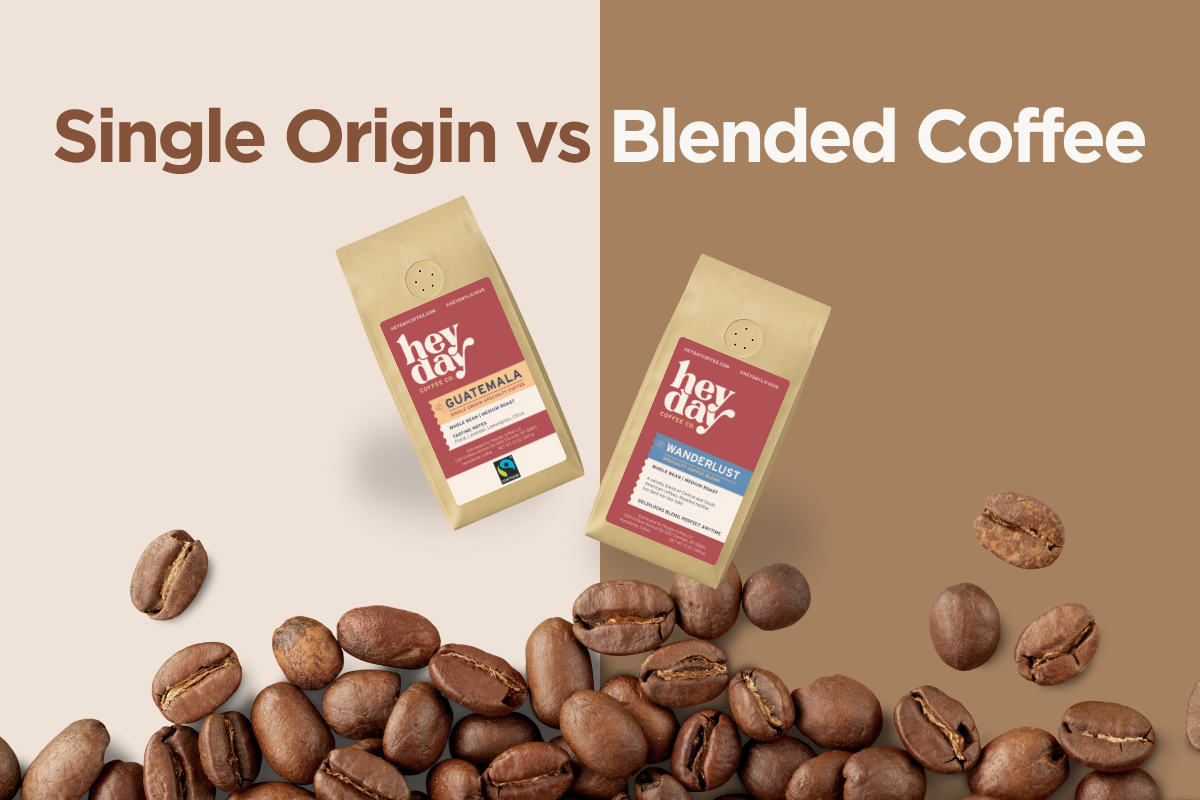
Single Origin vs Blended Coffee: Which Fits You?
Table of Contents
- What Single Origin Coffee Represents
- How Blended Coffee Is Crafted
- Flavor Expectations Side by Side
- Choosing Based on Brew Method
- Freshness and Sourcing Considerations
- Conclusion
Shopping for coffee online often means choosing between bags labeled as single origin or blended. The distinction matters. Each approach offers its own strengths, and understanding the differences can help you choose a coffee that actually fits how you brew at home.
When people look at single origin vs blended coffee, they’re really comparing two roasting philosophies. Single origin coffees express the character of one place, shaped by climate, variety, and processing. Blended coffees combine multiple components to create balance, structure, consistency, or a specific flavor profile. Neither is automatically better. They simply serve different purposes, and both can be excellent when they’re sourced and roasted with care.
In this article we explain what defines each style, why roasters create both, and how to decide which one aligns with your taste and your brew method.
What Single Origin Coffee Represents

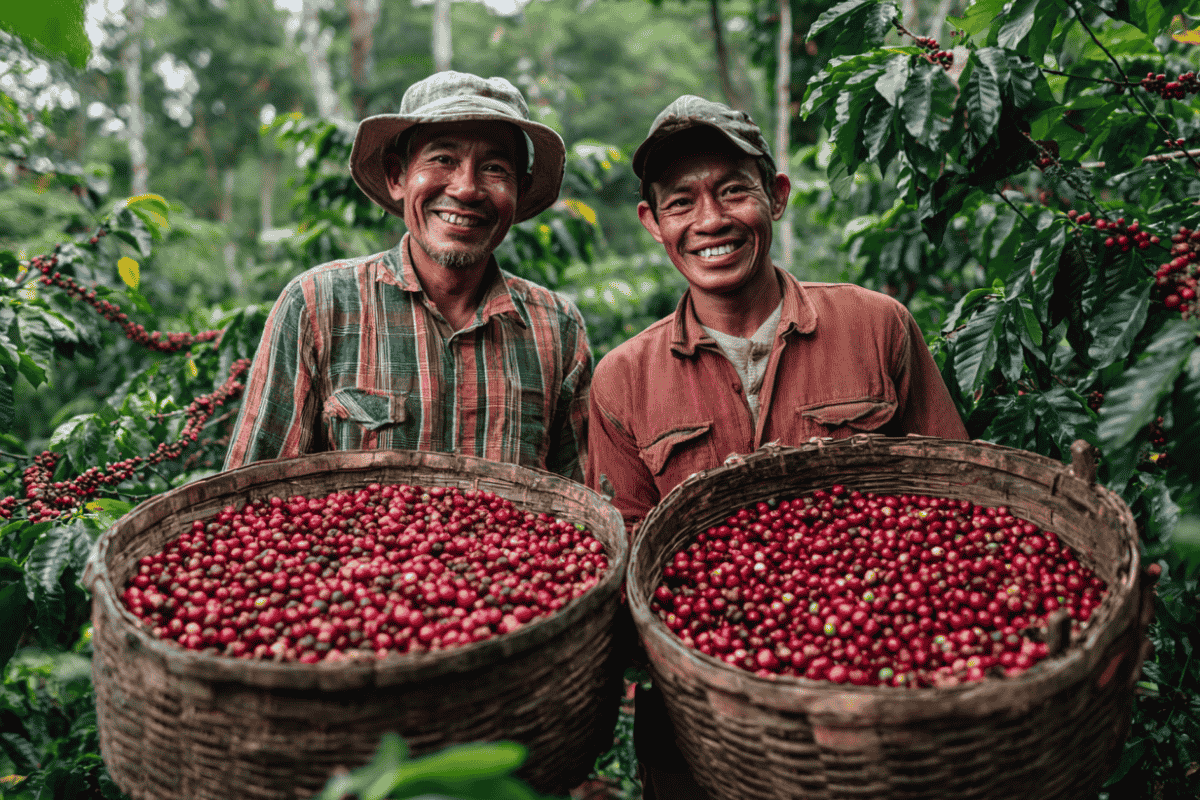
Single origin coffee comes from a defined place. That might be a single farm, a group of neighboring farms, or a specific growing region. Keeping the coffee tied to one source makes its character easier to trace. Soil, elevation, variety, and processing all leave a clear imprint on the cup.
Many drinkers appreciate single origin coffees because they reveal the natural range of what coffee can taste like. A washed Ethiopian selection might lean toward floral notes and citrus. A honey processed lot from Central America might show gentle fruit sweetness with a round finish. These are not flavorings. They’re the result of agricultural conditions and careful post harvest work that bring out the character already present in the coffee cherry.
Roasters tend to treat single origins with a light touch. The goal is to highlight what the coffee already offers rather than reshape it. This often produces a cup with clarity, where a few well defined flavors stand out. That clarity can be exciting if you enjoy noticing differences from one harvest to the next. It can also help you pick up on how processing methods or elevation influence the final cup.
How Blended Coffee Is Crafted

Blended coffee brings together beans from multiple origins to create a profile that is balanced, steady, and more consistent than any single component on its own. Roasters build blends with intention, choosing coffees that complement one another in sweetness, acidity, and body. The goal is not to hide the character of each component, but rather to shape them into something cohesive.
A blend often starts with a base coffee that provides structure. This might be a Central or South American component with dependable sweetness and body. From there, a roaster adds coffees that introduce accent notes or lift certain qualities. An East African component might brighten the cup. A deeper roasted Indonesian component might round out the finish. Each addition is tested until the blend meets the flavor target the roaster has in mind.
Consistency is a major reason blends exist. Agricultural conditions change from year to year, so a single origin can vary more than some drinkers prefer. With a blend, a roaster can adjust individual components as seasons shift while still maintaining the overall flavor that people expect. This helps create a reliable cup for drinkers who want something familiar every morning.
Blends are also versatile. Their balance makes them suitable for a range of brewing methods, especially when a smooth, approachable cup is the goal. When crafted thoughtfully, they deliver clarity and ease rather than complexity for its own sake.
Flavor Expectations Side by Side

Single origin and blended coffees offer different kinds of flavor experiences. Single origins tend to show a narrower, more defined set of notes tied to their origin. Blended coffees lean toward balance and roundness, built from components chosen to work together. Neither style covers the entire flavor spectrum on its own, which is why many drinkers keep both in their rotation.
Single origin coffees often highlight acidity, aromatics, or sweetness in a focused way. A coffee from a high elevation farm might have a brighter profile with clear fruit tones. Another from a lower elevation region might lean toward cocoa, nuts, or deeper caramel sweetness. Because they come from one source, single origins reflect the conditions of that harvest. That can make them exciting if you appreciate variation.
Blended coffees offer a broader, more stable profile. Roasters use them to balance sweetness, body, and acidity so the cup feels complete. The flavors typically lean toward approachable combinations like chocolate, brown sugar, fruit, or toasted nuts. This makes blends useful when you want a reliable flavor that holds up across different brew methods and water conditions.
|
Aspect |
Single Origin |
Blended Coffee |
|
Flavor Focus |
Distinct notes tied to one origin |
Balanced flavors shaped by multiple origins |
|
Acidity |
Often more pronounced or defined |
Moderate and rounded |
|
Sweetness |
Can be delicate or bright |
Usually deeper and more uniform |
|
Body |
Ranges widely by region |
Typically smooth and steady |
|
Consistency |
Seasonal variation is common |
Flavor stays stable throughout the year |
Choosing Based on Brew Method

Different brew methods highlight different aspects of a coffee, so it helps to pick a style that fits how you brew most often. Pour over methods tend to emphasize clarity and acidity, which gives single origin coffees room to show their detail. Bright lots from high elevation regions often feel most expressive here, since the method brings out their cleaner fruit and floral notes.
Espresso puts more pressure on a coffee’s structure. Acidity becomes more pronounced, and any imbalance becomes obvious. This is why blends are often built with espresso in mind. Their combination of sweetness, body, and steadier acidity produces a shot that feels controlled and predictable, especially in milk drinks where structure matters.
Full immersion methods like French press, and slower cold brew extractions, favor a heavier body and deeper sweetness. Blends tend to shine in these setups because their rounder profile holds up well, though a single origin with moderate acidity can also work. For auto drip brewers, the choice comes down to preference.
In practical terms, choosing between single origin and blended coffee depends on what you value in your cup. A blend keeps the flavor consistent day after day, thanks to its balanced structure and steady profile, while a single origin brings more nuance and character, with natural variation reflecting its source. Deciding which one fits your setup is really about deciding what you prefer in your daily brew.
Freshness and Sourcing Considerations

Freshness plays a major role in how both single origin and blended coffees taste. Aromatic compounds fade quickly after roasting, so bags that are roasted to order and shipped soon after tend to hold onto more clarity, sweetness, and overall liveliness. This is especially noticeable in single origin coffees, since their defining traits are more delicate and can flatten when the coffee sits for long periods. Blends benefit as well. Their balance and structure hold together more cleanly when the components are fresh rather than months old.
Sourcing also shapes the experience. Single origin coffees rely on the character of a specific place, which means responsible sourcing practices and long term relationships help maintain quality across harvests. Clean processing, proper drying, and careful storage at origin all influence how clearly those flavors show up in the final cup. With blends, sourcing gives roasters flexibility. They can adjust components from season to season to keep the flavor target consistent without compromising traceability or ethics.
Roasting in small batches ties these ideas together. When the roasting approach is tailored to each component, the distinct qualities of a single origin can shine, and the parts of a blend can integrate the way the roaster intends. Fresh, intentional roasting doesn’t make one style better than the other, it simply allows each one to express what it’s meant to offer.
Conclusion

The differences between single origin and blended coffee become more clear once you know what each is built to do. Single origins give you a direct look at how place, processing, and variety shape flavor. They can feel more distinctive and offer a direct sense of character. Blends are constructed with purpose, using complementary components to create a profile that stays steady across seasons and brewing methods.
What matters most is how these qualities line up with what you want out of your daily cup. If you enjoy noticing subtle shifts from one harvest to the next, single origins often deliver that kind of detail. If you prefer a familiar profile that behaves predictably in any brewer, a blend might fit better. Neither path locks you in. Most people move between both styles as their tastes and habits evolve.
Understanding these differences simply gives you better tools to choose coffee that fits the way you actually drink it. If you would like to explore both styles for yourself, you can browse Heyday’s single origin and blended coffees here: heydaycoffee.com/collections/coffee

Written by The Heyday Team