


Article: How Long Should Coffee Rest After Roasting?
How Long Should Coffee Rest After Roasting?
Table of Contents
- Introduction
- What Is Coffee Degassing (And Why It Matters)
- How Long Should Coffee Rest After Roasting?
- Why Coffee Often Tastes Better a Few Days After Delivery
- What Happens If You Brew Too Soon or Too Late
- Conclusion
Introduction
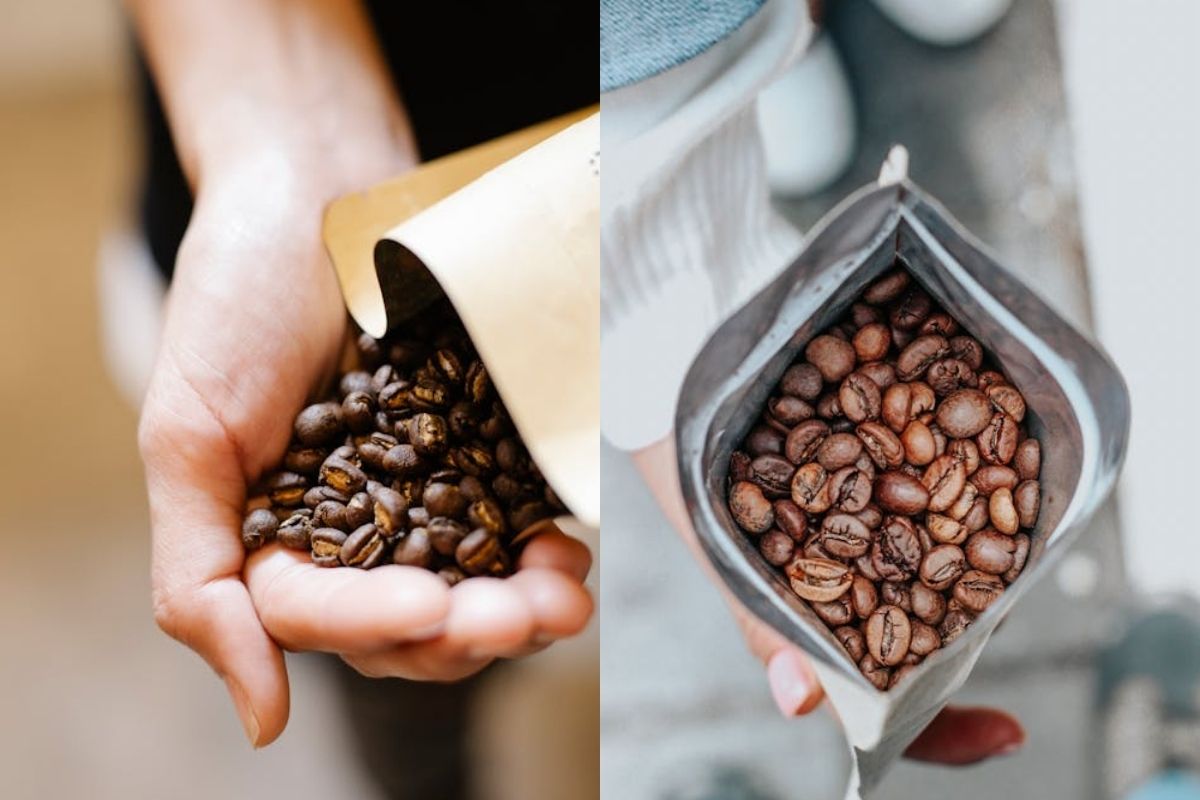
You open a super fresh bag of coffee and brew a cup right away. It smells great, but the taste doesn’t quite match your expectations.
That moment trips a lot of people up. We’re told fresh coffee is better, so brewing it immediately feels like the right move. But with freshly roasted coffee, there’s a window where it’s actually too fresh to brew well.
Right after roasting, coffee holds onto a lot of carbon dioxide. Over the next few days, that gas slowly escapes in a process called degassing. Until that settles down, it can interfere with how water extracts flavor from the grounds, leading to cups that taste uneven or slightly underdeveloped.
In this article, we’ll walk through how long coffee should rest after roasting, why degassing matters, and how to tell when your coffee is right where it should be.
What Is Coffee Degassing (And Why It Matters)

When coffee is roasted, a lot more happens than just turning green beans brown. The heat triggers a series of reactions inside the bean that develop flavor, but it also produces gas, mostly carbon dioxide.
That gas gets trapped inside the structure of the bean during roasting. Once the coffee cools, it doesn’t all diffuse right away. Instead, it slowly escapes over time. That release is what we call degassing.
You’ve probably seen this in action without realizing it. When you brew a pour over and the coffee puffs up and bubbles during the first pour, that’s carbon dioxide rushing out. That stage is often called the “bloom,” and it’s a visible sign that degassing is still happening.
The key point is that too much trapped gas can get in the way of a good extraction. When hot water hits fresh grounds, carbon dioxide pushes back against it. This makes it harder for water to evenly saturate the coffee, which can lead to an uneven brew.
Degassing isn’t something to avoid, it’s just part of the process. The goal is to brew your coffee when enough gas has escaped to allow for a clean extraction, but before the coffee starts to lose its freshness.
How Long Should Coffee Rest After Roasting?

Coffee doesn’t have a single “ready” day, but it does move through a fairly predictable window where it starts to taste more balanced and easier to brew. Within the first three days after roasting, there’s still a lot of carbon dioxide trapped inside the beans, which can make extraction uneven and leave the cup tasting sharp or not fully together.
After that initial period, the pressure inside the beans starts to ease. The coffee becomes more stable, and water can move through the grounds more evenly. This is when flavors begin to come together and the cup tastes more complete and consistent.
How long that takes depends on how you brew. Espresso usually benefits from a bit more rest, since pressure amplifies the effects of trapped gas. With filter methods like pour over, drip, or French press, the window opens earlier and is generally more forgiving.
It’s also worth noting the difference between whole bean and ground coffee. Whole beans release gas more slowly, since the structure of the bean holds it in. Once coffee is ground, that gas escapes much faster because of the increased surface area, so pre-ground coffee moves through its resting window more quickly.
For most people brewing at home, a simple rule of thumb is to give your coffee at least three to five days after roasting before expecting it to taste its best. In many cases, that window extends further, especially for espresso.
The key is that you don’t need to rush it. Once coffee moves past that initial degassing period, it tends to settle into a more reliable window where it consistently tastes the way it should.
Why Coffee Often Tastes Better a Few Days After Delivery

One of the more practical takeaways from all of this is that coffee rarely arrives “too fresh” to use. In fact, for most people, it shows up closer to ready than they might expect.
When coffee is roasted to order and shipped right away, the time it spends in transit overlaps with that early degassing period. By the time it reaches your door, a good portion of that initial gas has already started to escape.
That timing works in your favor. Instead of needing to wait from day one, you’re often receiving coffee that’s already partway through its resting window. In many cases, it’s either ready to brew or only needs another day or two to fully settle in.
This is especially helpful for everyday brewing methods like drip, pour over, or French press. By the time you open the bag, the coffee is typically much easier to work with than it would have been right off the roaster.
It also helps explain why freshly roasted coffee doesn’t need to feel rushed. The goal isn’t to use it immediately, it’s to use it when it’s ready. And for most people ordering coffee, that timing tends to line up naturally.
What Happens If You Brew Too Soon or Too Late

You can usually tell where your coffee is in its resting window by how it behaves when you brew it.
If it’s too soon after roasting, everything feels a bit harder to control. In a pour over, the bloom can rise quickly and unevenly, almost pushing water back up instead of letting it pass through. It can be difficult to keep a steady flow, and the bed may not settle evenly.
With espresso, the same thing shows up as inconsistency. Shots may run faster than expected, or shift from one pull to the next without much change in your settings. It can feel like you’re chasing something you can’t quite dial in.
As the coffee rests, those issues tend to settle down. The bloom becomes more controlled, water moves through the grounds more evenly, and your results become more repeatable. You’re not fighting the coffee anymore, you’re working with it.
If the coffee sits for too long after roasting, the brewing process will feel easy, but the cup can start to lose its edge. The aroma is quieter, the flavors feel less defined, and the overall profile can come across as flat.
This is why timing matters. It’s not just about taste in isolation, it’s about how predictable and consistent your brewing process feels from one cup to the next.
Conclusion

Fresh coffee isn’t just about how recently it was roasted, it’s about when it’s ready to brew.
In the first few days after roasting, coffee is still releasing carbon dioxide. Give it a bit of time, and it settles into a window where extraction becomes more even and the flavors come through more clearly.
For most home brewing, that window opens after a few days and stays consistent for a while. By the time coffee reaches you, especially when it’s roasted to order and shipped right away, much of that early degassing has already happened.
The takeaway is simple. You don’t need to rush to brew coffee the moment it arrives. Let it rest briefly if needed, and you’ll get a more balanced, more reliable cup.

Written by The Heyday Team