

How to Store Coffee for Longer Shelf Life
Table of Contents
- The Golden Rules of Coffee Storage (and What to Avoid)
- Where Should You Store Coffee?
- Should You Store Coffee in the Fridge or Freezer?
- Best Containers for Coffee Storage
- Conclusion
If you want to get the best out of a bag, storage matters. Coffee does not fall off a cliff overnight, but it can lose aroma and flavor when not protected from air, heat, moisture, and light. Over time, those little exposures add up, and the cup just isn’t as lively as it was at the start.
Most people notice this after the first week or two. The first cups smell great and taste full. Then things start to feel a bit dull or muted. Not bad, just not as good as it was.
The good news is you don’t need special equipment or complicated routines to fix this. A few simple habits can help your coffee stay fresher longer, and taste how it was meant to. In this article, we’ll walk through what matters, what doesn’t, and how to store your coffee in a way that fits your life.
The Golden Rules of Coffee Storage (and What to Avoid)

Good coffee storage really comes down to four simple ideas: keep it airtight, keep it cool, keep it dark, and keep it dry. Most storage mistakes are just the opposite of those.
Keep it airtight. Oxygen is the fastest way to dull coffee. Every time beans are exposed to air, they lose aromatic compounds, the stuff you actually taste and smell. Leaving a bag loosely folded or open on the counter speeds this up, especially for ground coffee. If you do nothing else, seal your coffee tightly after each use.
Keep it cool. Heat accelerates staling. That means storing coffee next to the stove, oven, or in direct sunlight will shorten its lifespan. A steady room temperature is ideal.
Keep it dark. Light, especially direct sunlight, breaks down flavor over time. Clear containers might look nice, but they’re not doing your coffee any favors if they sit out in the open.
Keep it dry. Coffee absorbs moisture from the air, which can flatten flavor. This is also why storing coffee in the fridge without proper protection is especially problematic.
When you follow these four rules, you’re already ahead of most people. As a rough guide, whole bean coffee stored this way will usually taste its best for up to a month after opening. Ground coffee has a shorter window and will start to lose its edge more quickly.
Where Should You Store Coffee?

For most people, the best place to store coffee is simple: a cabinet or pantry, away from heat and light. It doesn’t need to be fancy, just consistent. Think of a spot that stays around room temperature, isn’t exposed to sunlight, and isn’t right next to your stove or oven.
The kitchen can be a tricky environment. It’s full of small temperature swings, steam from cooking, and bright light during the day. Leaving coffee out on the counter might be convenient, but if that spot gets direct sun or sits near a heat source, it can speed up staling more than you’d expect.
A good rule of thumb is this: if the space feels stable and a little tucked away, it’s probably a good home for your coffee. Upper cabinets, pantry shelves, or even a drawer can work well. The goal is consistency more than anything else.
If you’re working with a small kitchen or limited storage, don’t overthink it. Even moving your coffee a few feet away from heat and light can make a noticeable difference over time.
Should You Store Coffee in the Fridge or Freezer?

This is one of the most common questions, and the short answer is: you don’t need to use the fridge, and in most cases, it’s better not to.
Even in a good airtight container, the fridge isn’t ideal. Coffee is sensitive to moisture and temperature swings. Every time you take it in and out, the container warms up and cools down, which can create condensation. That introduces moisture, and over time, it can dull flavor. Coffee also absorbs surrounding odors easily.
If coffee is stored in the fridge without a truly airtight seal, like in a loosely closed bag, those issues get worse.
The freezer is different. It can be useful if you need to store coffee for longer periods, but it only works well if you limit air and avoid repeated exposure.
If you do freeze coffee, keep it simple:
- Portion it first. Divide your coffee into smaller amounts you’ll use at once
- Remove as much air as possible. Vacuum-sealed bags are ideal, or tightly sealed bags with the air pressed out
- Avoid repeated opening. Take out one portion at a time and let the coffee come fully to room temperature before opening the container to avoid condensation
For everyday use, a sealed container in a cool, dark cabinet is still the most reliable setup. The fridge or freezer isn’t necessary, and in most cases, they add more risk than benefit.
Best Containers for Coffee Storage

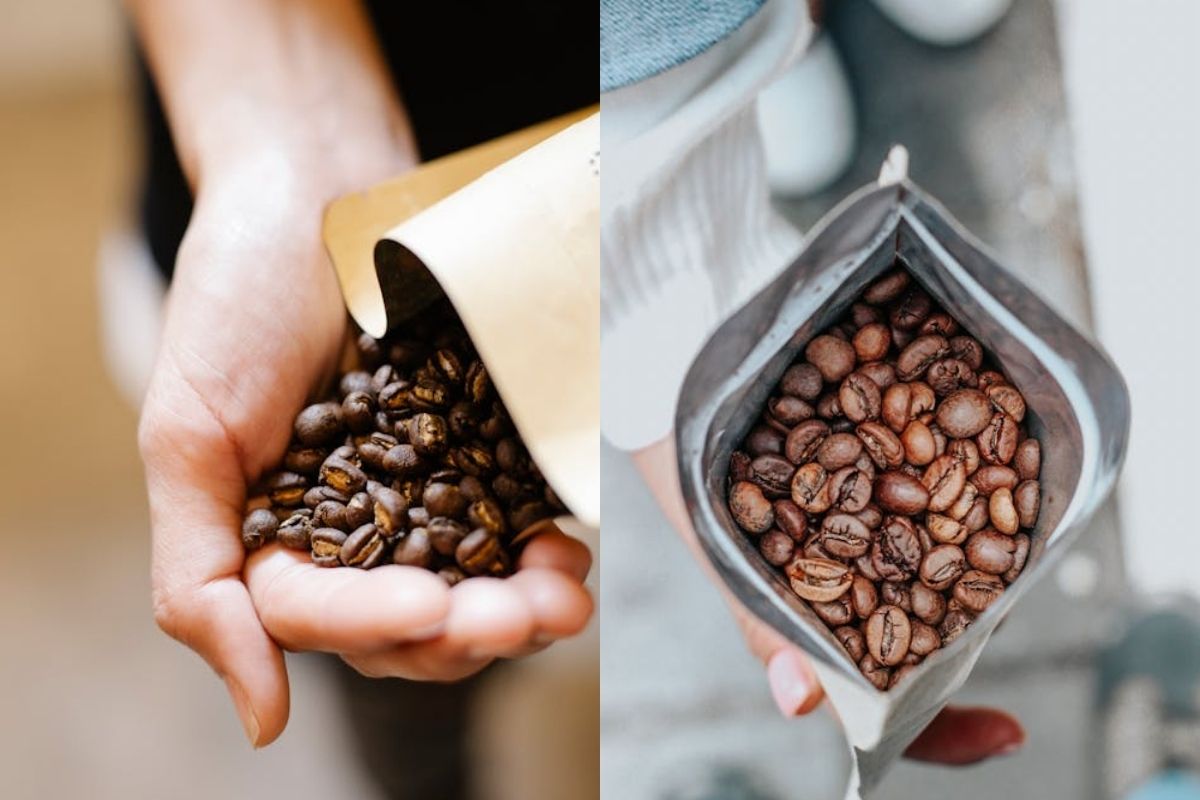
If you’re trying to get the most out of your coffee, the biggest upgrade you can make is moving it out of the bag and into a proper airtight container.
We recommend using an airtight container with a strong seal, ideally one that’s opaque. That combination protects your coffee from both air and light and creates a more stable environment.
Vacuum canisters can take this a step further by actively removing air. They’re a nice option, especially if you’re opening your coffee frequently, but they’re not essential. A well-sealed airtight container will get you most of the benefit without adding complexity or cost.
The original coffee bag works best as a backup option. If you do use it, make sure to seal it tightly and press out as much air as possible before closing. Rolling the bag down after each use can help reduce the amount of air trapped inside.
The less air your coffee is exposed to, the longer it will hold onto the flavors you bought it for.
If you’re working with ground coffee, this becomes even more important. Because of the increased surface area, it loses freshness faster, so a good airtight container makes a noticeable difference from one day to the next.
Conclusion

Good coffee storage doesn’t need to be complicated. A few small changes, keeping your coffee airtight and away from heat, light, and moisture, will make a noticeable difference in how it tastes day to day.
Most of the work happens before the coffee even gets to you. Freshly roasted coffee starts with more to offer, and better storage helps you hold onto that for longer. That’s why we focus on roasting to order and getting coffee out quickly, so you’re starting with something at its best, not something that’s already been sitting for weeks or months.
From there, it’s just about taking care of it. A simple container, a good spot in your kitchen, and a little consistency will go a long way.

Written by The Heyday Team